01
Choose the interface first
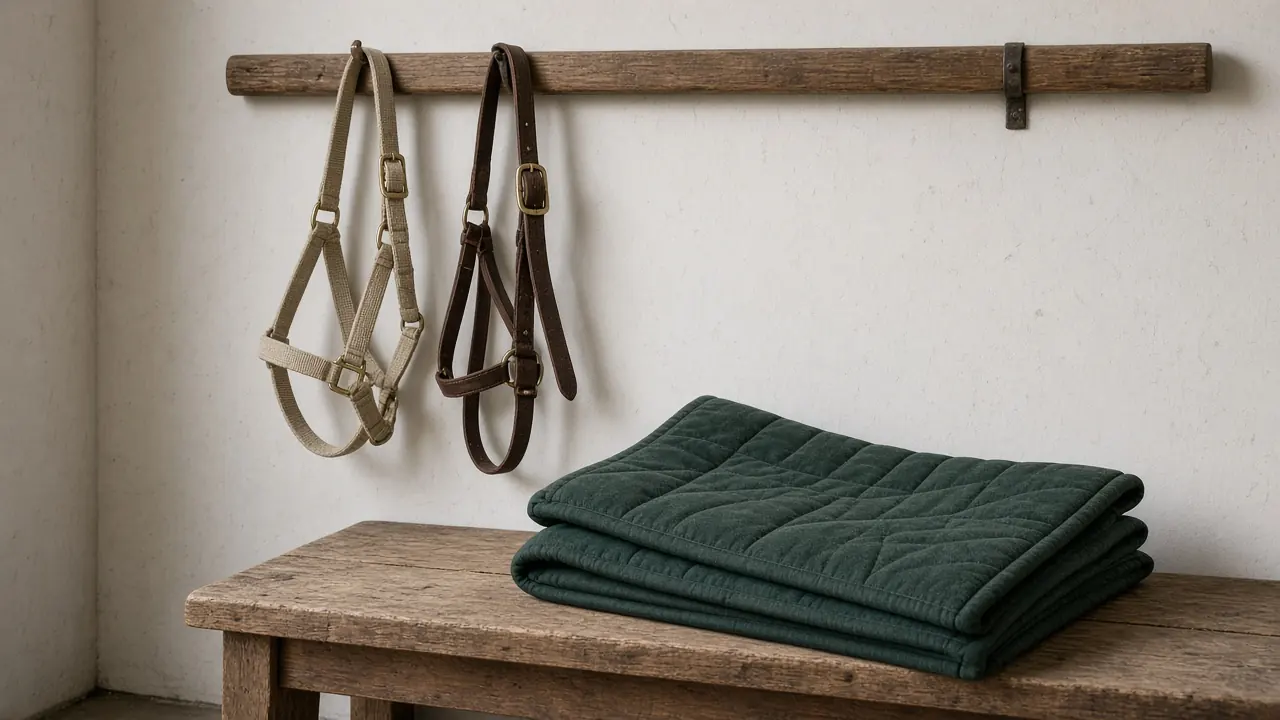
Rounded general-purpose pads, longer dressage cuts and forward close-contact outlines answer different saddle shapes. Match the outline to an already suitable saddle rather than selecting by the rider's favourite colour. The binding should remain clear of pressure-bearing edges, and the upper fabric must be positioned into the channel without being dragged tight across the spine. Wool-blend felt and mesh backing change construction, not the requirement for a correctly fitted saddle.
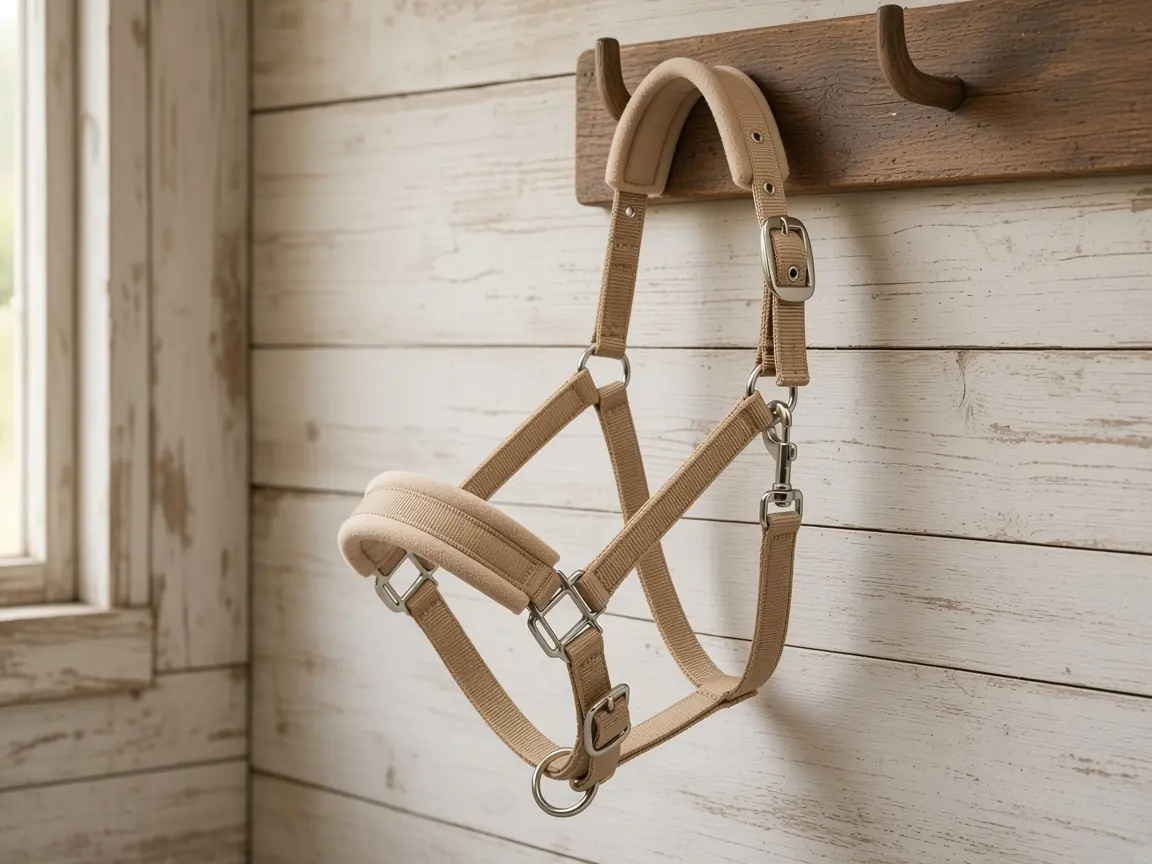
A halter decision begins elsewhere, with noseband position, jaw clearance and crown adjustment. Compare your current correctly fitting headcollar with the Pony, Cob or Full option under consideration. Fixed fleece and neoprene remain attached during care; leather brings conditioning requirements; plain webbing avoids a padded surface. None of these descriptions approves unattended turnout or establishes a breakaway mechanism.
02
Prepare equipment for its next use
Separate dirt from wear
Brush loose hair from the pad face and inspect loops before washing. On a halter, look at strap junctions and the clip closure before wiping off the evidence of a problem. A dirty item and a damaged item need different decisions.
Read the material instruction
Cotton, wool-blend felt, polyester mesh and leather cannot be assigned one cleaning method. Follow the supplied item label, avoid unapproved heat and keep cleaners appropriate to the contact surface. Fixed lining should not be pulled off for convenience.
Store with air and visibility
Leave damp surfaces open to dry, then store without sharp folding or compressed wet lining. Recheck the item before the next handling or riding session. Changes in adjustment, rubbed edges or distorted quilting should prompt a review rather than a routine repeat.
03
Measurements belong beside the material
The size guide explains what to record from your existing equipment before you request format advice.
Open the size guide